What is Home Health Care? What Families Need to Know
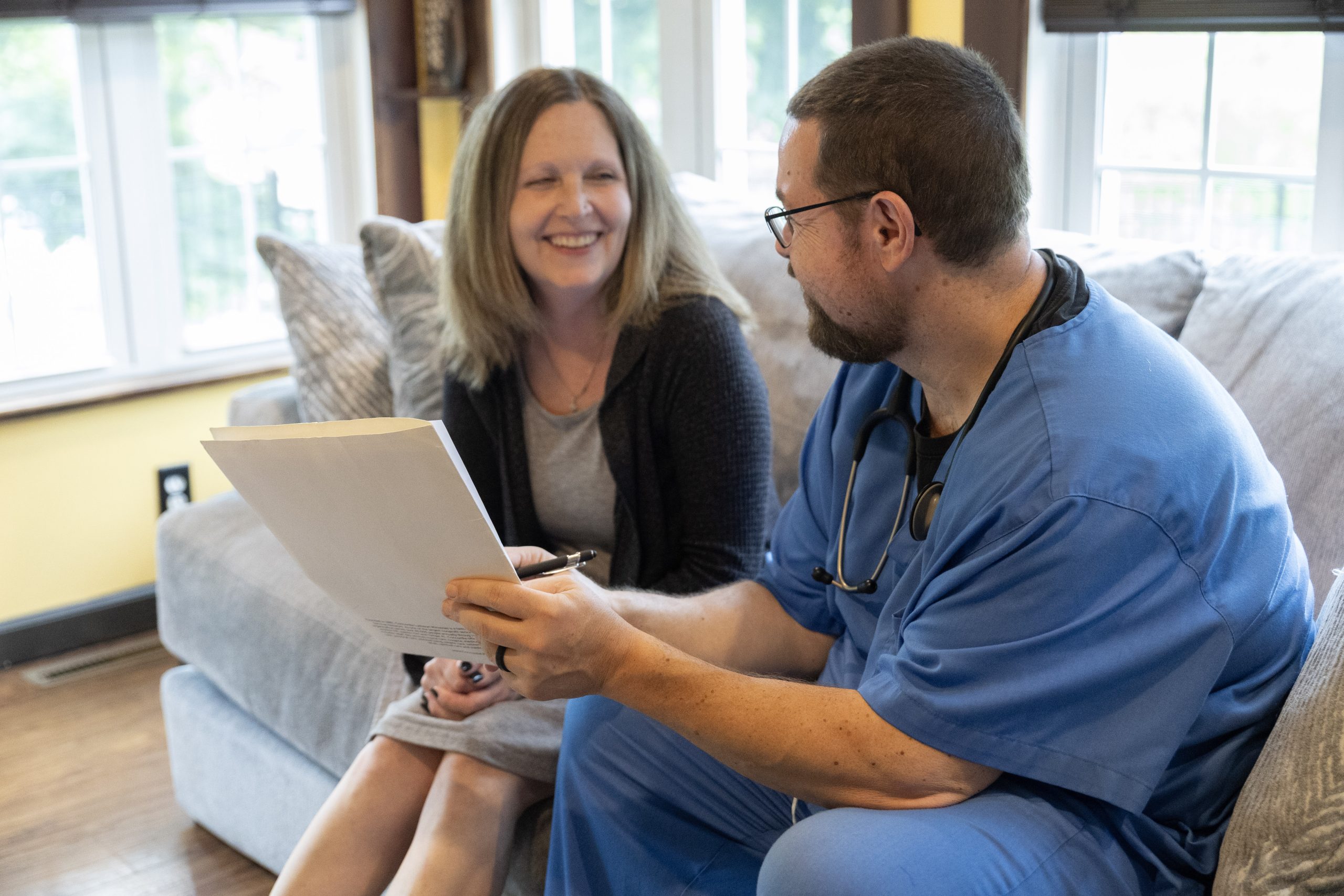
If someone you love just came home from the hospital or has been managing a serious health condition for a while now, you may have heard the term “home health care” and wondered exactly what that means.
You are not alone. It is one of the most commonly searched health topics by adult children and spouses who want to do right by the people they love but are not sure where to start.
Here is a closer look at what home health care includes, how it can support families during recovery and ongoing health needs, and how Concordia’s home and community services can help.
Home Health Care vs. Home Care: They Are Not the Same Thing
Many families find this distinction unclear, so let’s walk through it together.
Home Care
Home care is non-medical support. A home care aide helps your loved one with activities of daily living like:
- Bathing, dressing and grooming
- Meal prep and light housekeeping
- Errands and getting to appointments
Home care aides are not nurses or therapists. Their role is comfort and daily support. Medicare generally does not cover home care, so most families pay out of pocket or through long-term care insurance.
Home Health Care
Home health care is medical care delivered at home. It is provided by licensed professionals including registered nurses, licensed practical nurses, physical therapists, speech therapists, occupational therapists and other clinical specialists, and it is prescribed by a doctor.
When it is medically necessary and ordered by a physician, Medicare typically covers it.
In simple terms, home care provides everyday non-medical support, while home health care focuses on helping individuals recover, regain strength and safely remain at home.

What Does Home Health Care Actually Include?
At Concordia, home health care is built around what each patient actually needs. Here is a look at what that can include:
Skilled Nursing
A registered nurse visits your loved one at home to provide real medical care, things like:
- Wound care and dressing changes
- Managing medications and educating patients on how to take them safely
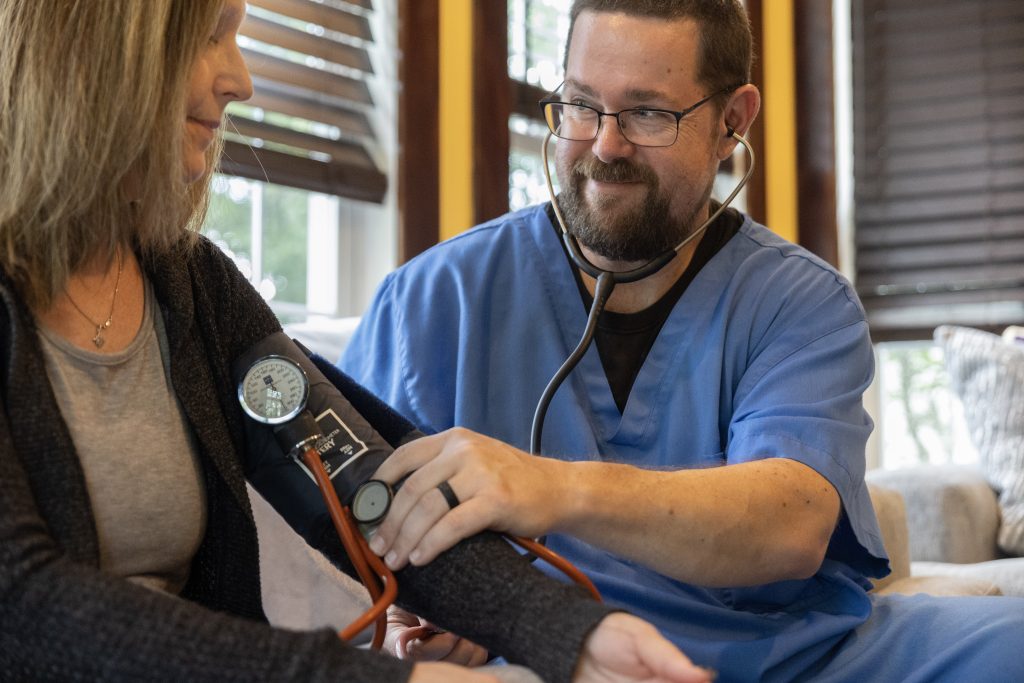
- Monitoring vital signs and watching for changes in condition
- Staying in close contact with the doctor
Skilled nursing is the backbone of most home health plans.
Related content: Senior Wound Care: Prevention, Healing and Daily Care
Therapy Services
After a surgery, fall, stroke or serious illness, getting strength and function back is a top priority. Concordia provides:
- Physical Therapy to rebuild strength, balance and safe movement
- Occupational Therapy to help with everyday tasks like dressing, cooking and getting around the house
- Speech Therapy for swallowing, speech and cognitive challenges that often follow a stroke
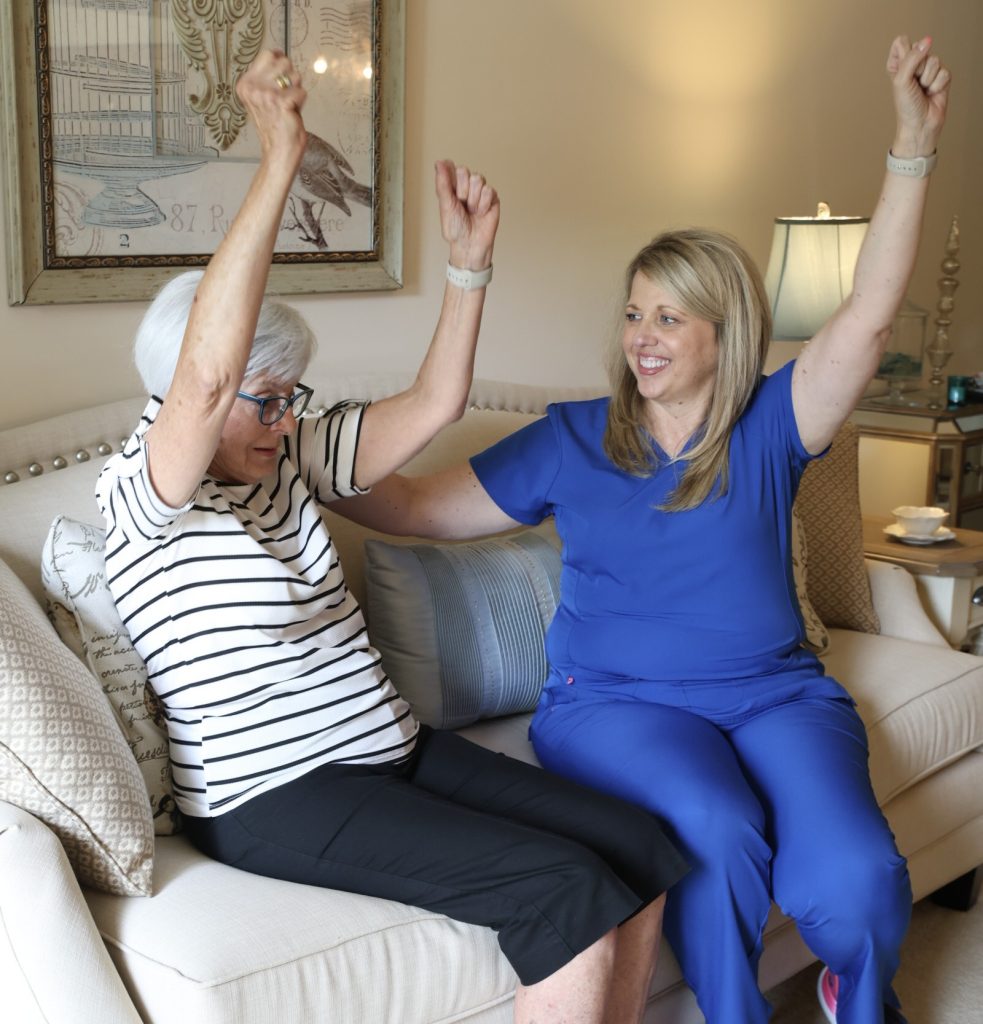
One of the real advantages of therapy at home is that it happens in the actual space where your loved one lives, which makes what they learn much easier to apply.
Related content: Physical Therapy in the Home Setting: A Q&A with Lynn McKinnis, DPT
Home Health Aides
When part of a physician-ordered care plan, home health aides can assist with personal care like bathing and grooming under nursing supervision. This is clinically directed and tied to the patient’s medical needs, which makes it different from private duty home care.
Social Services and Family Education
A serious health situation rarely affects just the patient. Concordia’s social workers help families navigate resources, next steps and the emotional challenges that often accompany a serious health condition. The care team takes time to guide and support family members and caregivers, offering education, reassurance and compassionate support throughout the recovery journey.
When Your Loved One Needs More: Concordia’s Specialty Services
Some patients need support that goes beyond standard home health care. Concordia’s Specialty Services program is designed for exactly those situations, offering a dedicated clinical pathway for patients managing complex or chronic conditions.
- Palliative Care: Focused on relieving pain and managing symptoms for patients with a serious or advanced illness. This is not hospice. Palliative care can happen at the same time as active medical treatment, and its goal is better quality of life.
- Spiritual Care: Qualified counselors address the emotional and spiritual needs of patients and families, whatever their faith background, as part of the broader care team.
- Diabetes Education: Certified specialists work with patients and families to build real confidence in managing blood sugar, devices, and day-to-day decisions.
- Mental Health Services: Psychiatric nursing care delivered at home to help patients manage behavioral health conditions and stay out of the hospital.
- Lymphedema Management: Education and hands-on support for patients navigating a lymphedema diagnosis.
- Virtual Visits: Remote check-ins with the care team, plus the option to coordinate a virtual appointment with the doctor, the patient, and a family member so everyone stays informed.
Why Home Health Care Makes a Real Difference
If you are weighing whether to pursue this, here is what families consistently find:
- People heal faster at home. Familiar surroundings lower stress and help patients stay engaged in their recovery.
- It reduces hospital readmissions. Skilled nurses catch problems early, before they become emergencies.
- Your loved one gets real one-on-one attention, not a rushed visit in a crowded clinic.
- You get support too. Concordia’s care team will show you what to do, answer your questions and checks in regularly.
- It is often covered by Medicare. For families worried about cost, that matters enormously.
Who Qualifies for Home Health Care?
In general, a patient may qualify for Medicare-covered home health care if they meet all of the following criteria:
- They are under the care of a physician who orders home health services.
- They are considered homebound, meaning leaving home requires a considerable and taxing effort.
- They require skilled nursing, therapy or other qualifying clinical services.
- They receive care from a Medicare-certified home health agency such as Concordia Visiting Nurses, Concordia-IRMC VNA or Concordia Home Health and Hospice of Bethlen.
The best first step is a conversation with your physician or hospital discharge planner. They can assess whether home health care is appropriate and submit a referral on your behalf.
Frequently Asked Questions about Home Health Care
Does Medicare cover home health care?
Yes, in most cases. Medicare covers home health care when a physician orders it, the patient is considered homebound, and the care is provided by a Medicare-certified agency. When those conditions are met, covered services cost the patient nothing.
What is the difference between home health care and home care?
Home health care is medical, provided by nurses and therapists, and is usually covered by Medicare. Home care is non-medical daily assistance with things like bathing and meals, and is typically paid for privately. Both play an important role, but they are different services.
What does a home health nurse actually do during a visit?
They assess your loved one’s condition, provide hands-on clinical care like wound care or medication management, communicate with the physician and take time to answer your questions. The goal is for both the patient and the family to feel supported and informed.
Is palliative care the same as hospice?
No, and this is an important distinction. Palliative care focuses on comfort and symptom relief and can happen at the same time as active treatment. Hospice care, like that offered through Good Samaritan Hospice, a mission of Concordia, is for patients who are no longer pursuing curative treatment. Concordia offers palliative care as part of its home health Specialty Services program.
Related content: Palliative Care Explained: What It Is, What It Isn’t and When It May Help
How quickly can care start?
In most cases, care can begin within 24 to 48 hours of a referral being placed. Concordia works closely with hospital discharge teams to make sure there is no gap in care after your loved one comes home.
Concordia has been caring for families across western Pennsylvania for generations. Whether your loved one needs short-term recovery support after a hospital stay or ongoing care for a complex condition, we are here to help you take the next step with confidence
Every family’s situation is different, and care needs can change over time. In addition to home health care, Concordia offers a full family of home and community-based services designed to support individuals wherever they call home. From skilled home health care to hospice care, medical equipment, spiritual care and additional in-home support services, Concordia offers a full range of home-based care designed to support patients and families every step of the way. Learn more by visiting Concordia Home and Community Services.
Founded in 1881, Concordia Lutheran Ministries is a faith-based, CARF-accredited Aging Services Network and recipient of the inaugural Pennsylvania Department of Aging Excellence in Quality Care Award. As one of the largest nonprofit senior care providers in the country, the organization serves 50,000 people annually through in-home care and inpatient locations. Concordia offers a lifetime continuum of care that includes adult day services, home health care, hospice, physician and rehabilitation services, memory care, personal care, assisted living, respite care, retirement living, skilled nursing/short-term rehab, spiritual care and medical equipment.
Get Updates From Concordia
There is always a LOT happening at Concordia! Would you like to stay up-to-date with our news and events? Sign up for our monthly e-newsletter here.